Writing: 5/5 Topic Coverage: 5/5 References: 5/5
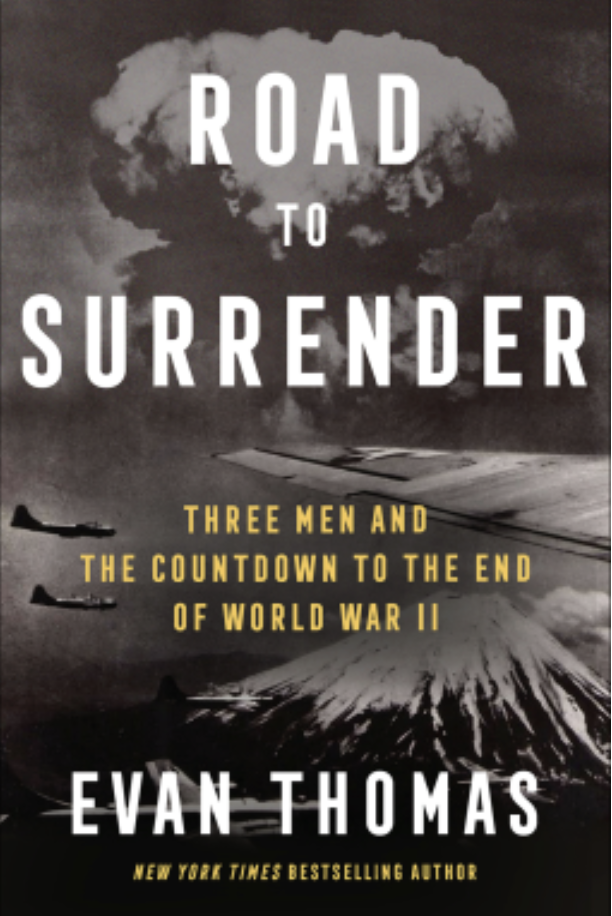
My favorite kind of non-fiction — all well-referenced facts, with details of people’s thoughts, motivations, and actions as captured at the time through records, diaries, and notes. The book covers the day-to-day (and sometime minute-to-minute) events pertaining to the dropping of two nuclear bombs on Hiroshima and Nagasaki — not the development of the bombs which is well covered elsewhere, but everything to do with the (somewhat chaotic) logistics, strategy, political machinations, and even the evolution of revisionist history to do with the use of the bombs. Drawing heavily from memoirs of several of the key players, including Japanese foreign minister Togo, we are treated to the decision making process with all of the attendant, intermingled motivations and fears of the time.
The writing was superb — clean, clear, and detailed, but never rambling. I don’t tend to read non-fiction unless it’s like this (and very few books are!). The action ranges from March – August 1945, with a well-summarized epilogue that followed some of the main characters (Stimson, Togo, Spaatz) to the end of their lives amidst shifting popular perceptions of the war and the US role in ending it. In many ways, I found this chapter the most interesting — watching the way history gets retold when the stress of an uncontrollable situation is gone and the pontificators get to revise strategy with the benefit of 20-20 hindsight. Towards the end of this period, there is also the scepter of the Russians — allies at the time, but allies who are starting to behave in a not-so-collegial fashion. To trust or not to trust? (I think the answer to this one is now pretty clear).
Of the many character portraits painted, three stood out: Henry Stimson — Secretary of War whose ongoing worry was that “man’s technical capacity to do evil will outrun man’s human capacity to do good;” Carl “Tooey” Spaatz — the Commander of the Strategic Air Forces who insisted on written orders to deploy the bomb(s) and carried the orders around in his pocket; and Shigenori Togo —the only Japanese Cabinet member to oppose the war (and the only one not executed as a War Criminal). I loved the peek into the minds of the men (yes, they were all men) making the decisions — what they worried about, what information they had at their disposal, and how their insights and opinions were informed by their individual backgrounds and levels of idealism and pragmatism.
A significant portion of the book exposed the (wildly different) decision making process in Japan, which resulted in the much delayed surrender. The emperor was largely a prisoner of an increasingly fanatic military and rarely challenged their usually unanimous recommendations. Additionally, the Japanese culture at the time valued consensus and information transmission that is expected to be implicit, rather than explicit, greatly hampering any kind of rapid and rational decision making. Ultimately Emperor Hirohito did issue a proclamation of surrender, but even that was almost quashed through a last minute and desperate coup. Honestly, it reads like absolute insanity, which I’m sure it was.
I honestly couldn’t stop reading. The last paragraph summed it up nicely: “It is hard to imagine the pressure that these men faced in the spring and summer of 1945. The surrender of Japan came at a high cost. Decision makers on both sides engaged in wishful thinking and psychological denial, and peace of mind was hard for the victors to find. But Japan did surrender before hundreds of thousands — possibly millions — more lives were lost. Stimson, Spaatz, and Togo gave mightily of themselves to bring peace, and at last they succeeded.”
Thank you to Random House and NetGalley for providing an advance copy of this book in exchange for my honest review. The book will be published on May 16th, 2023

 Books to look forward to ...