
Writing: 5/5 Characters: 4/5 Plot: 3.5/5
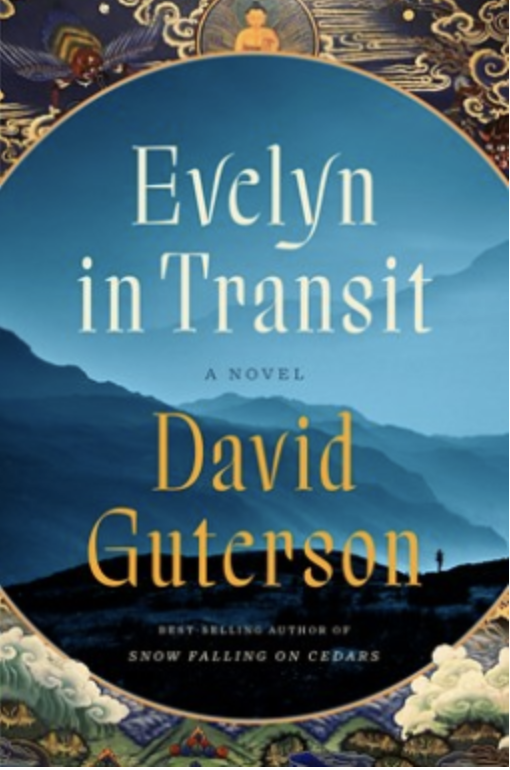
A beautifully written story that slowly winds its way through the process of transitioning new incarnations of a Tibetan Tulku — the “emanation of a realized being.” Two parallel narratives come together mid way through the book to cover the identification of the seventh incarnation of the Tibetan abbot Norbu Rinpoche. The first narrative follows Evelyn, a midwest misfit who travels the country doing odd jobs and questioning life, purpose, time, belief and perceptions. The other follows Tsering, a rural Tibetan who accepts his position as the sixth incarnation of the Rinpoche, while continuing to question the whole concept. These stories come together when Evelyn’s five-year old son is identified as seventh Rinpoche after Tsering passes away.
I enjoyed the philosophical nature of this book. The “action” in each story line is minimal, but it is accompanied by a deep and ongoing questioning on the nature of the world and one’s place in it. Unlike a lot of the literary fiction that I read, very little of this questioning thought is devoted to understanding one’s own internal machinations. Both characters appear detached to me, showing little emotion, worry, or planning for the future. Instead, each seemed to embody the “Be Here Now” tenet of Buddhism. This made the book (for me) more of an intellectual exercise, rather than an engaging story. The language was stellar, the characters interesting, but not engaging at an emotional level, and the story a little slow paced for my taste. However, it was certainly thought provoking which counts for a lot in my world. As an aside, the author’s note at the end made it clear that he had met Evelyn and her son, and that parts of this story were based on their experiences.
Thank you to W. W. Norton & Company and NetGalley for providing an advance copy of this book in exchange for my honest review. The book will be published on January 20th, 2026.
 Books to look forward to ...