Writing: 4/5 Plot: 4/5 Characters: 5/5
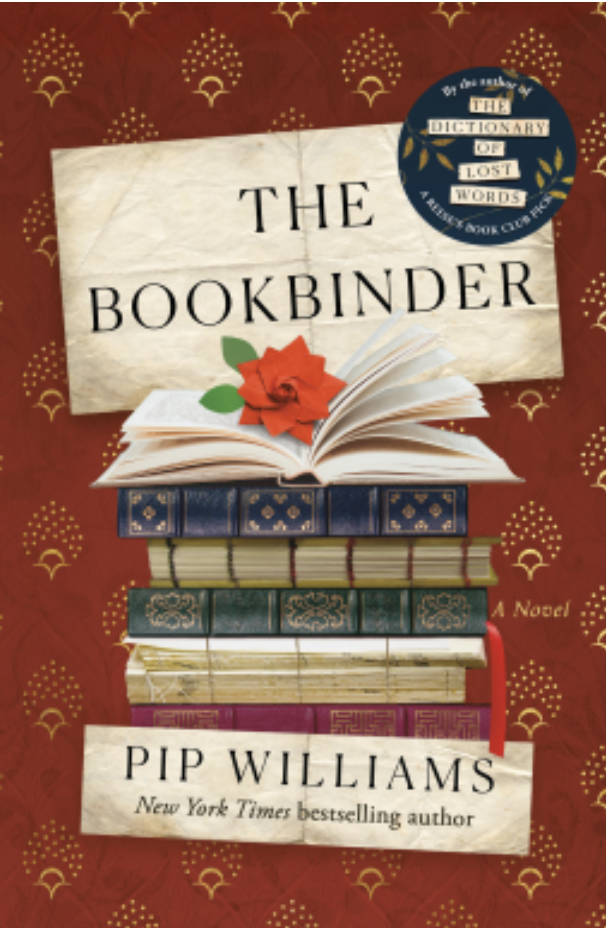
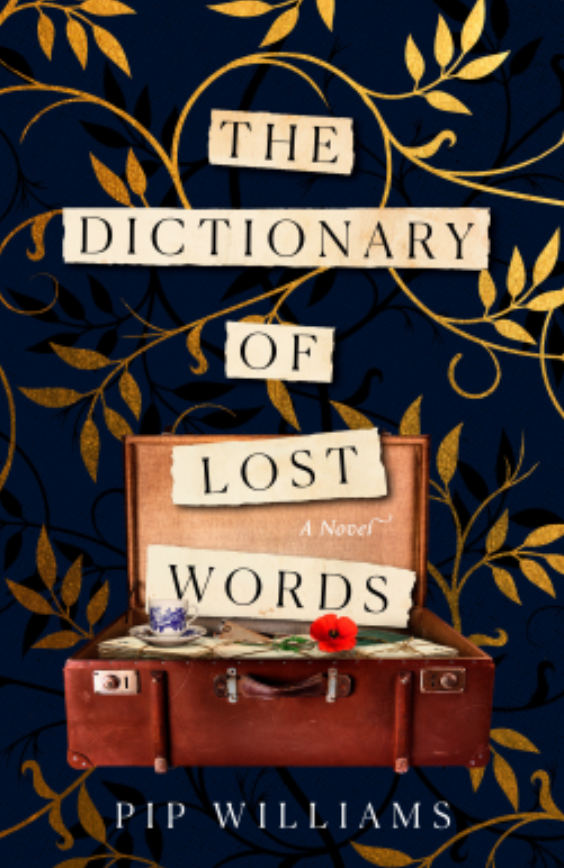
Another book by Pip Williams — author of The Dictionary of Lost Words — about an element of The Oxford University Press (aka Clarendon Press) during the early 1900s. While Dictionary focused on those working to compile the OED, Bookbinder focuses on those working in the physical production of the books.
The eponymous bookbinder is Peggy Jones — a young woman who is working in the “Bindery” — the all-female component of the Press, which focussed on folding and preparing the pages of books. There is an absolutely fascinating 1925 silent video titled “Oxford University Press and the Making of a Book” which really helped me visualize Peggy’s work.
Peggy has been working at the Press with her neurodivergent (my term, not the way it is described in the book) twin sister since the age of 12 (they are now ~22). She has always wanted more — she longs for an education, longs to read and have opinions on the books she is folding — but feels that is impossible for someone of her background. She reads bits as she folds (watch the video — you’ll see how difficult that is), and the canal boat they live in is literally papered with scraps of books that did not meet quality requirements, but certainly meet hers.
The time period covered spans WWI — from 1914 to 1918 — with Peggy’s quest for “more” tied in with opportunities at the Press, the fight for women’s suffrage, and her volunteering with recuperating soldiers and Belgian refugees — all arisising from the upheaval of everyday life. Williams did an excellent job of bringing this time period to life, I was able to feel all the complex emotions of that insane time in a manner that felt very time appropriate.
I found the beginning a little muddy and confusing, but once I got into it, I very much enjoyed the story — particularly the vibrant and believable characters: the twin sister, some of the refugees, the canal community, and various suffragists, librarians, and female students. Every one was drawn deeply and was a person I would want to know. I also loved the details of how the Press was run, women’s colleges (which at the time were not allowed to confer degrees), access to libraries, and classical study. And of course, the ultimately successful effort of a woman from the “wrong side of the tracks” to attain an education and make more of herself.
Two interesting quotes:
“When we bound these books, I thought, they were identical. But I realised they couldn’t stay that way. As soon as someone cracks the spine, a book develops a character all its own. What impresses or concerns one reader is never the same as what impresses or concerns all others. So, each book, once read, will fall open at a different place.”
“The words used to describe us define our value to society and determine our capacity to contribute. They also … tell others how to feel about us, how to judge us.”
Thank you to Ballantine Books and NetGalley for providing an advance copy of this book in exchange for my honest review. The book will be published on August 1st, 2023
 Books to look forward to ...